


Blog
Read about the latest developments across the business, including our global sustainability initiatives.
Read Our Blog

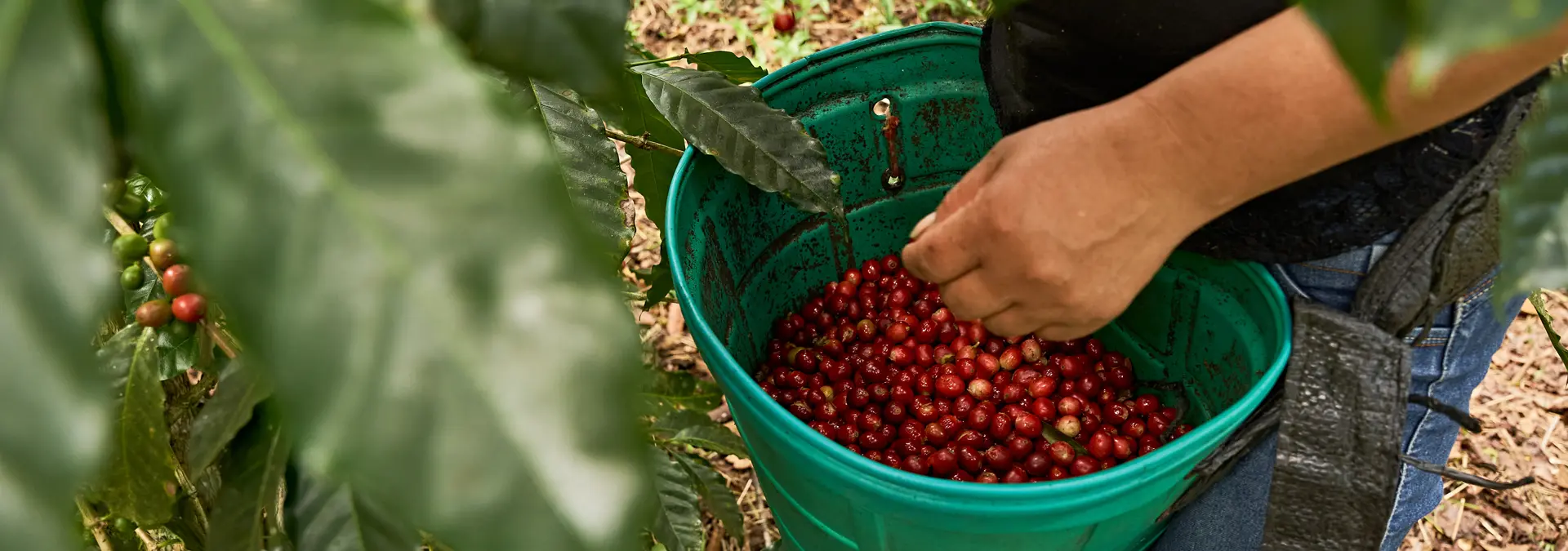
We operate highly integrated supply chains working with large-scale growers and smallholders to provide training, quality seeds and other inputs, coupled with the highest standards of quality and microbiological control at our processing plants in origin and in destination markets, thereby reducing food safety risks.
It is essential that we keep on top of the rapidly changing regulatory frameworks across our multiple markets. We adopt granular vigilance to keep in step with the standards and requirements of governments and various legislative bodies.
We manage large processing and manufacturing facilities across the world. Continued investment in achieving safety, health, quality and supporting sustainability is essential to delivering quality products reliably to our customers. We continue to upgrade equipment and technology such as laboratory testing equipment, metal detectors, screens, X-rays and colour sorting.
Our processed product range includes: peanuts, hazelnuts, almonds, cashew, coffee, cocoa, and spices, as well as our Packaged Foods Business in Africa where we manufacture consumer products such as biscuits, and yoghurt drinks. We’ve adopted the systematic preventative approach called Hazard Analysis Critical Control Point (HACCP). It addresses physical, chemical and biological hazards across the operation as a means of prevention rather than relying on finished product inspection. We focus on FSSC 22000 or BRC certification for our food processing plants.
In 2021 we rolled out an Olam Group-wide, comprehensive global quality and food safety management system to ensure we consistently work to quality procedures and policies. We work closely with customers to ensure we are meeting or exceeding expectations.
As well as helping smallholder farmers to improve their yields we advise on how to improve their quality and how to reduce post-harvest losses. This is critical because good quality means they can command a premium, while preventing wastage means they improve their incomes. In addition to training farmers in Good Agricultural Practices, we invest in farmer resource centres, warehouses, drying floors to prevent soil contamination and solar dryers.
Smallholders live in some of the most remote parts of the world where often roads are nothing more than dirt tracks. Collecting a sack of cocoa or coffee from every farmer is highly inefficient. So we work with farmers to help them form groups or cooperatives where they bring their crop to a central warehouse. Here the crop is weighed and stamped, ready for collection by Olam. These processes are supported by a number of integrated proprietary technology platforms, which help us to support the farmer and deliver value to our customers.
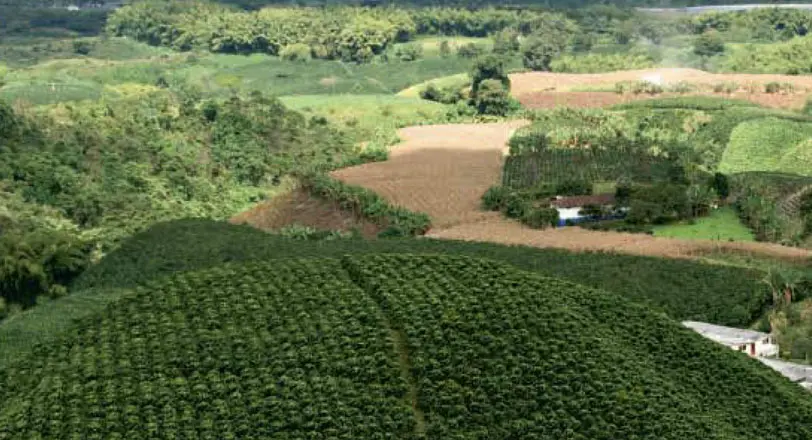
On our own plantations, and with our large-scale farmers, we develop biodiversity action plans to maintain and monitor the environmental balance between pests and a healthy crop. Products are routinely tested for residues to ensure food safety standards are met. Through our sustainability programmes and our Supplier Code, we educate smallholders on the same factors. We are also strong advocates of maximising the methods supplied by nature to help reduce pesticide use – Integrated Pest Management (IPM).



© 2026 Olam Group All Rights Reserved Co. Reg. No. 202180000W